CONNECTED VOICES
GRAPHIC DESIGN
This case study follows a simple design philosophy: visible behaviour is only the surface. To design with care, I needed to understand the uncertainty, cultural transition, and confidence gaps beneath it.
ROLE
Graphic Design, Visual Systems
DELIVERABLES
Print, Posters, Wayfinding
TEAM
Solo
FOCUS
Civic clarity, inclusion


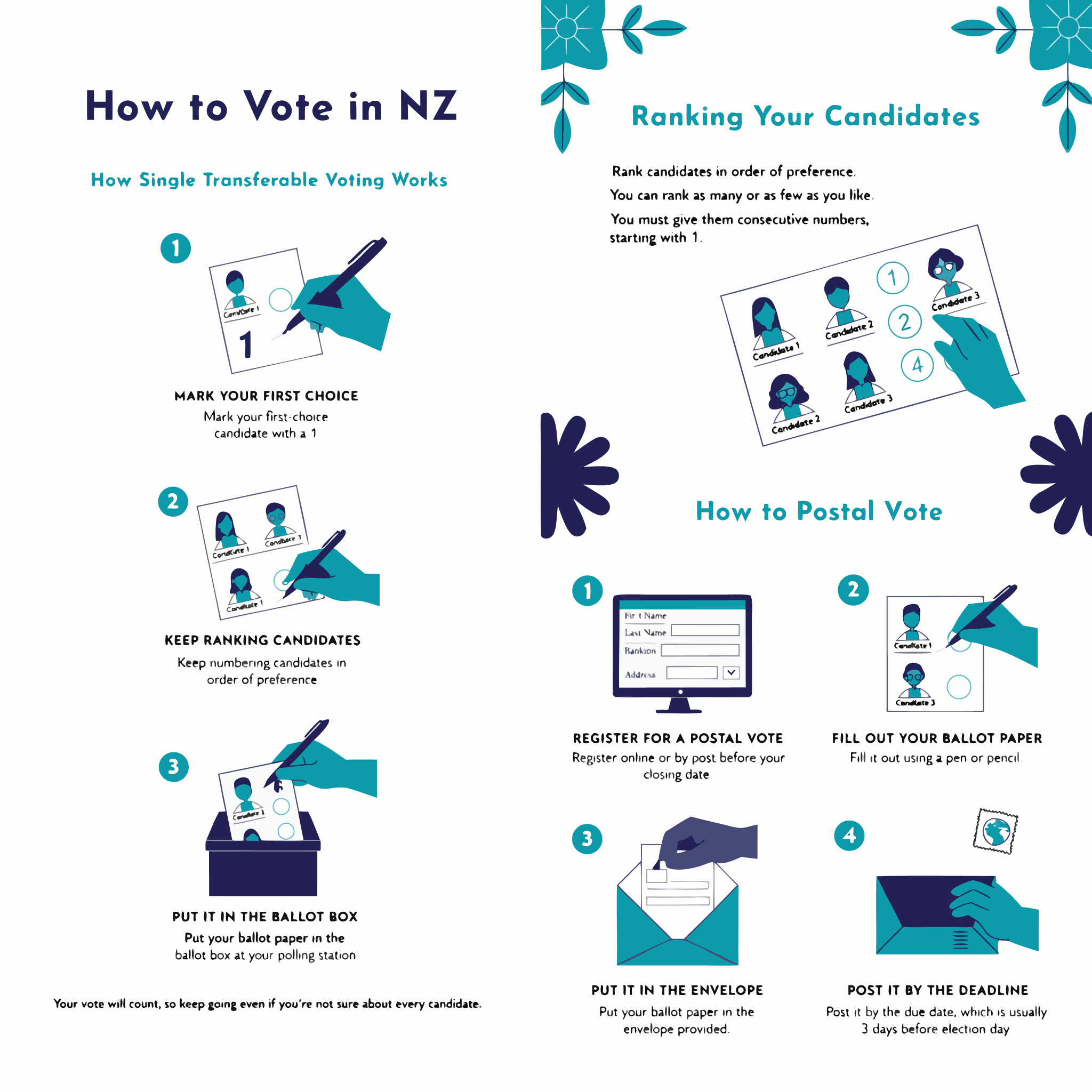

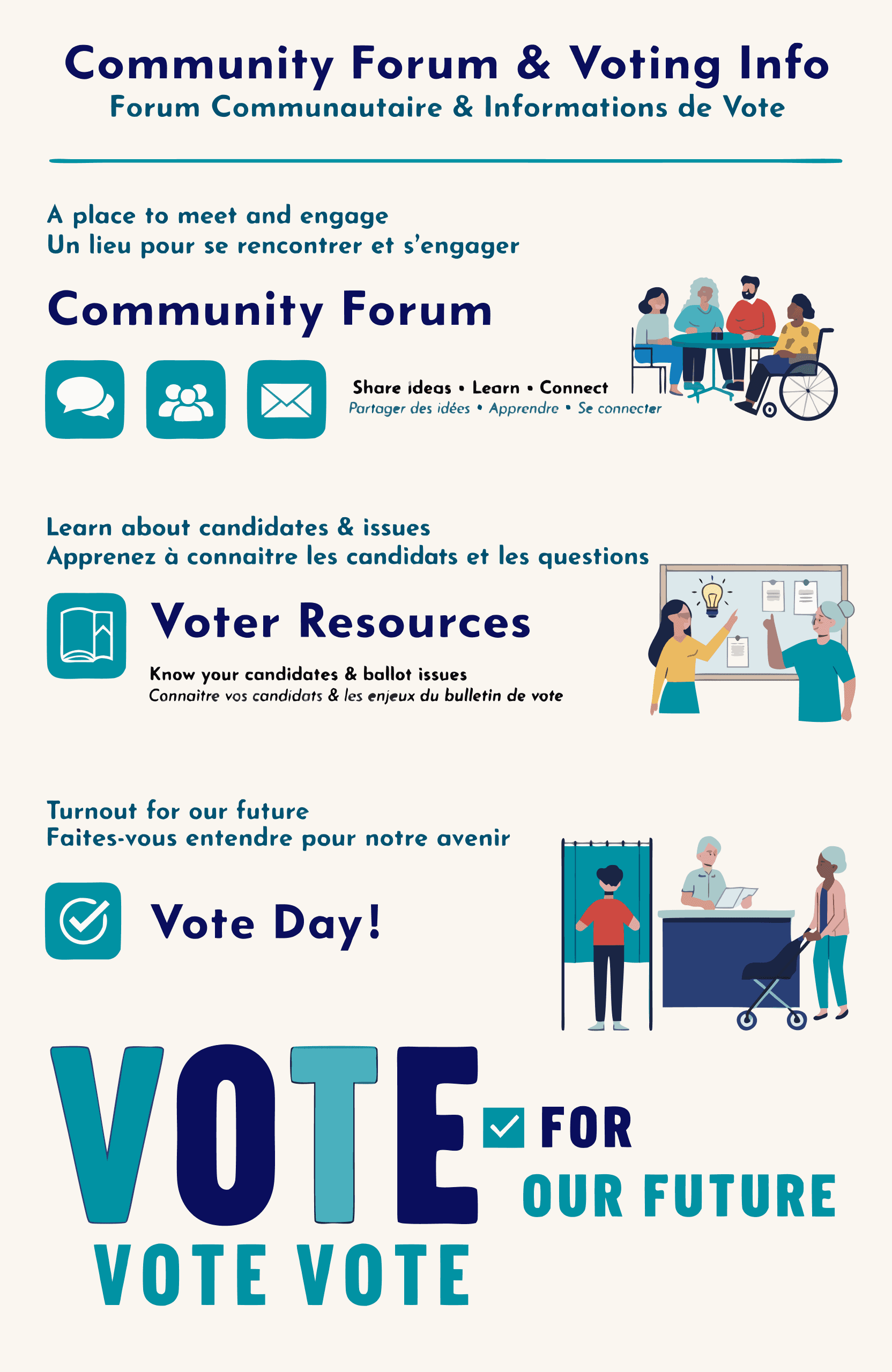
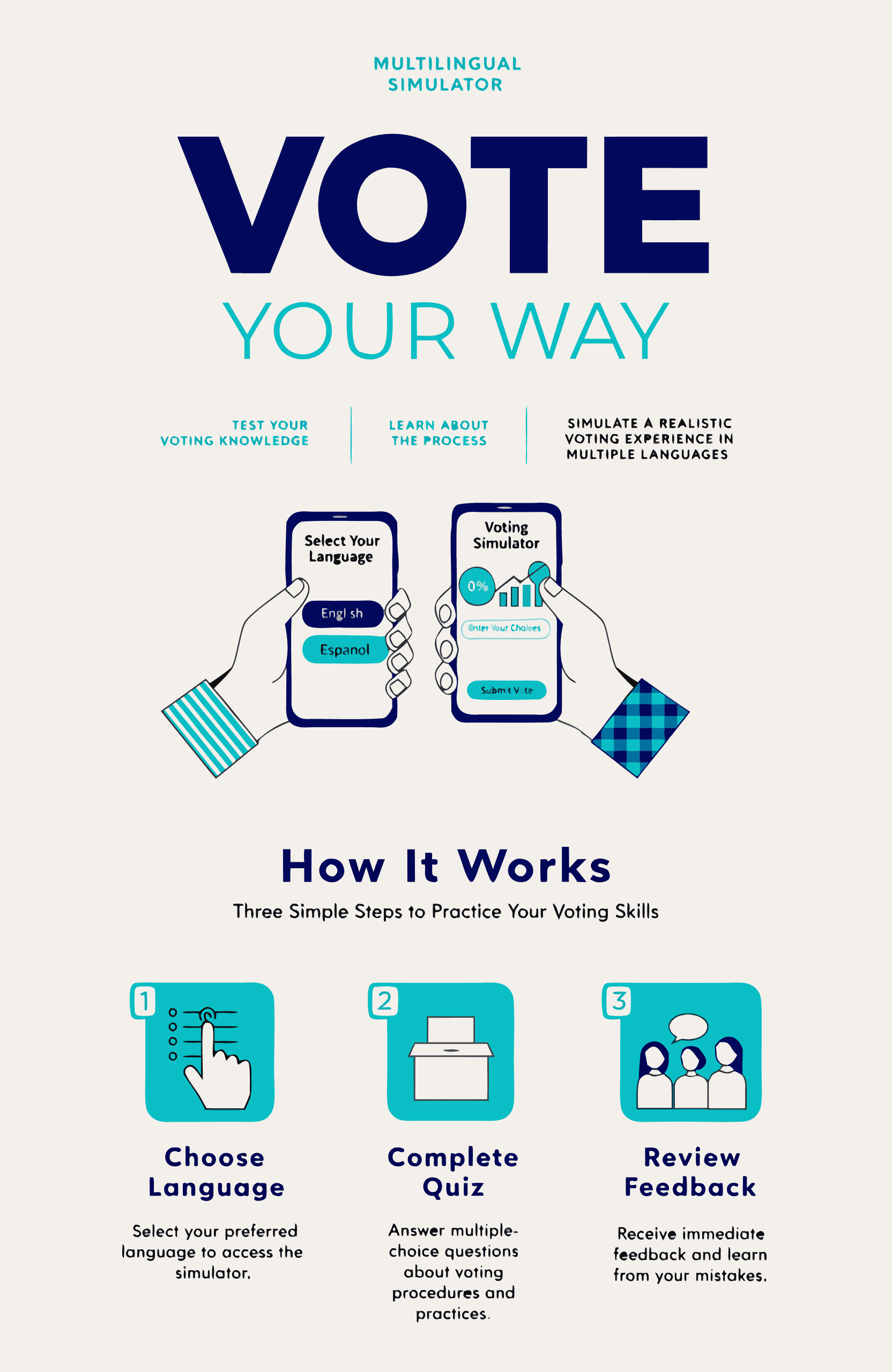
Visual system: brochures, posters, wayfinding, engagement wall
VIEW ARTIFACTS ↓
MARIA’S STORY_
Maria has lived in New Zealand for four years. She is from Chile. Election day is approaching. She wants to participate.
01
She opens the election website.
02
New terminology. Unfamiliar processes. Different political structure.
03
She quietly closes the tab. At first glance, this might look like low civic engagement.
04
She isn’t disengaged. She simply doesn’t feel confident enough to continue.
Design insight
People weren’t avoiding voting. They were avoiding uncertainty. The issue wasn’t information. It was confidence. The issue wasn’t language alone. It was navigating an unfamiliar civic system.
Visible Behaviour
Didn’t vote. Didn’t read brochure. Didn’t attend events.
Hidden Experience
Unsure where to begin. Didn’t recognise terminology. Didn’t trust their understanding. Didn’t know what would happen next.
Systemic Contributors
Fragmented information. Institutional language. No clear starting point. Few culturally welcoming touchpoints.
THE HIDDEN STORY
Pattern 01
People spent more energy figuring out where to begin than understanding the information itself.
Design response: Create a consistent visual language that reduces orientation effort across every touchpoint.
Pattern 02
People were constantly asking themselves “What should I pay attention to first?”
Design response: A restrained hierarchy guides attention before asking users to process information.
INTERPRETATION GAP
Government thought:
Information is available.
Citizens experienced:
Information feels inaccessible.
Those are two completely different realities. Understanding that gap became one of the project’s biggest design opportunities.

WHAT CHANGED MY THINKING?
What did I come to understand about people that changed the way I designed?
Behaviour
Interpretation
Underlying Need
System
Design Opportunity
01
I began this project thinking I was designing clearer election information. I finished it realising that the real challenge was helping people navigate uncertainty.
02
Information doesn’t exist in isolation. Every person interprets the same experience through their own culture, language, memories, expectations, and lived experiences.
03
Confusion, hesitation, or disengagement are not problems to solve in themselves—they are clues to a deeper human story. The more I listened to people’s stories, the more I saw that visible behaviours often emerge from invisible experiences. My role as a designer is to understand the experiences beneath the behaviour before proposing solutions. Today, this principle continues to shape how I approach product and service design.
04
This project taught me that meaningful design isn’t just about making information easier to access. It’s about helping people make sense of the world around them. When we understand how people interpret experiences, we can create products, services, and systems that feel clearer, more welcoming, and more human.
HM
Hans Melbert
SHARDS OF SHARED MEMORIES
Leave a note for the archive. Submitted memories become pixel shards visitors can open and read.
Click a shard to read what others left behind.
all rights reserved, hans melbert caoile ©2026